The project approach is not a new way to teach children. It was a central part of the Progressive Education movement and was used extensively in the British Infant Schools in the 1960s and 1970s (Smith, 1997). Interest in the potential value of project work was renewed with the publication in 1989 of the first edition of Engaging Children’s Minds: The Project Approach (Katz & Chard).

How is working with Project Approach in a classroom
Students are
curious to learn new things and teachers want them to participate in classes.
Working with the project approach in a classroom offers a wide range of
possibilities to motivate students in a process rather than finding a quick
solution in class. The research stages that everyone is involved in are more
meaningful to them because they begin to recognize the importance of problem
solving. Direct research by students on the topics allows progression in the
knowledge acquired. This form of learning integrates children's interests,
determines students' criteria, and makes them eager to find answers.
Benefits of working with Project Approach with children
It has lots of advantages for teachers because stages in the research process facilitate relevant evidence in each student or group. Also, this approach supports curriculum programs on child-initiate learning activities rather than one based on teacher-directed lessons.

Projects and Parent Involvement
Another potential benefit of the project
approach for young children, is the Parents’ involvement in their children’s
education is significantly related to children’s success in school (Henderson
& Berla, 1994).
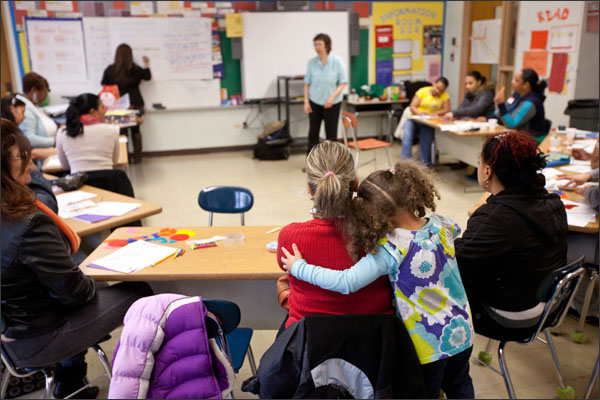
When parents become interested in their children's studies, children begin to show more interest in their responsibilities. The integration of parents in projects does not mean that they have to do homework, they can support children's performance by doing volunteer work, teaching at home and collaborating with the community. When parents see their children's progress, they realize how much learning has occurred throughout the process.


No comments:
Post a Comment